Henry David Thoreau Sangha
A practice group of Living Vow Zen
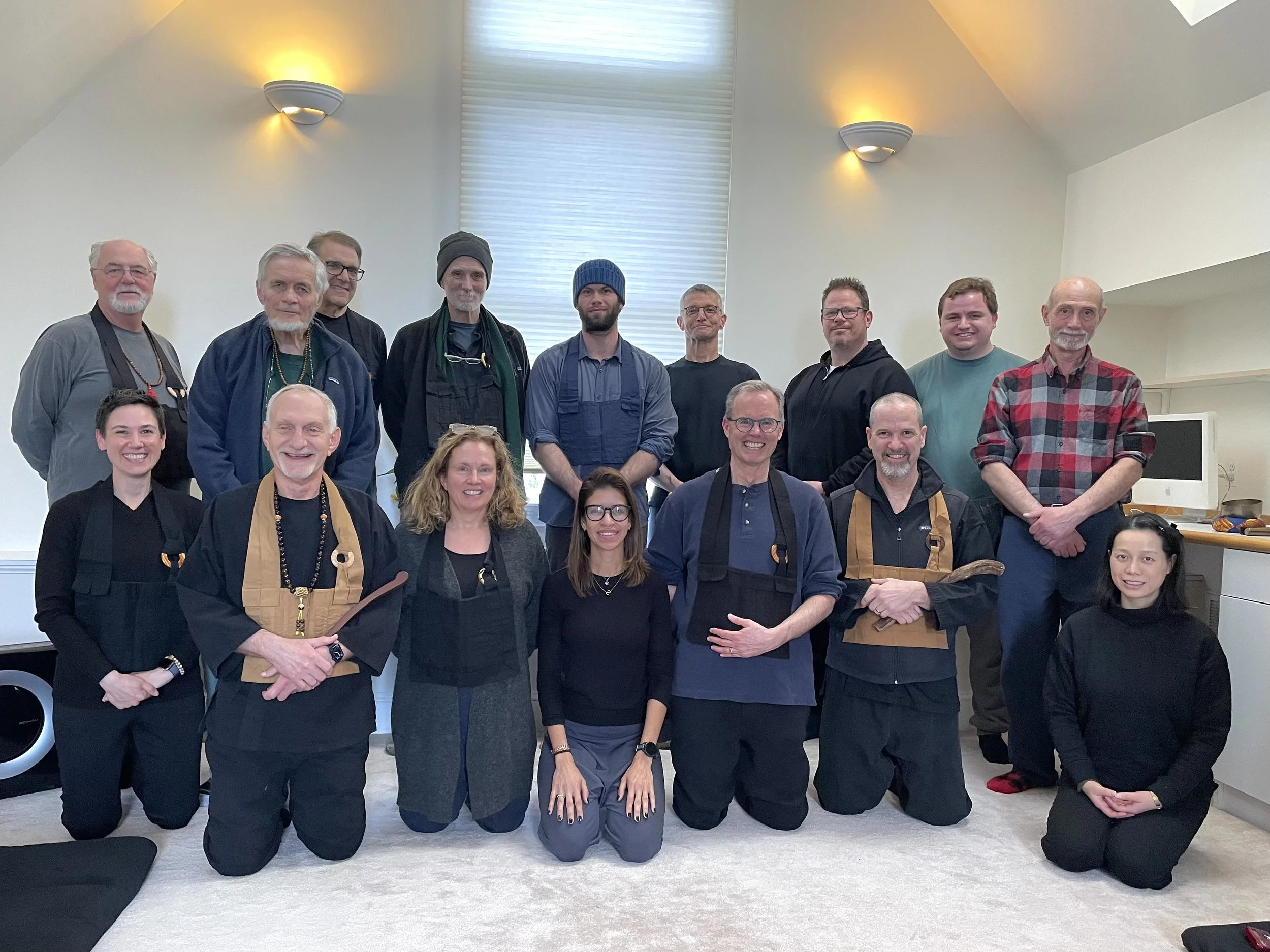
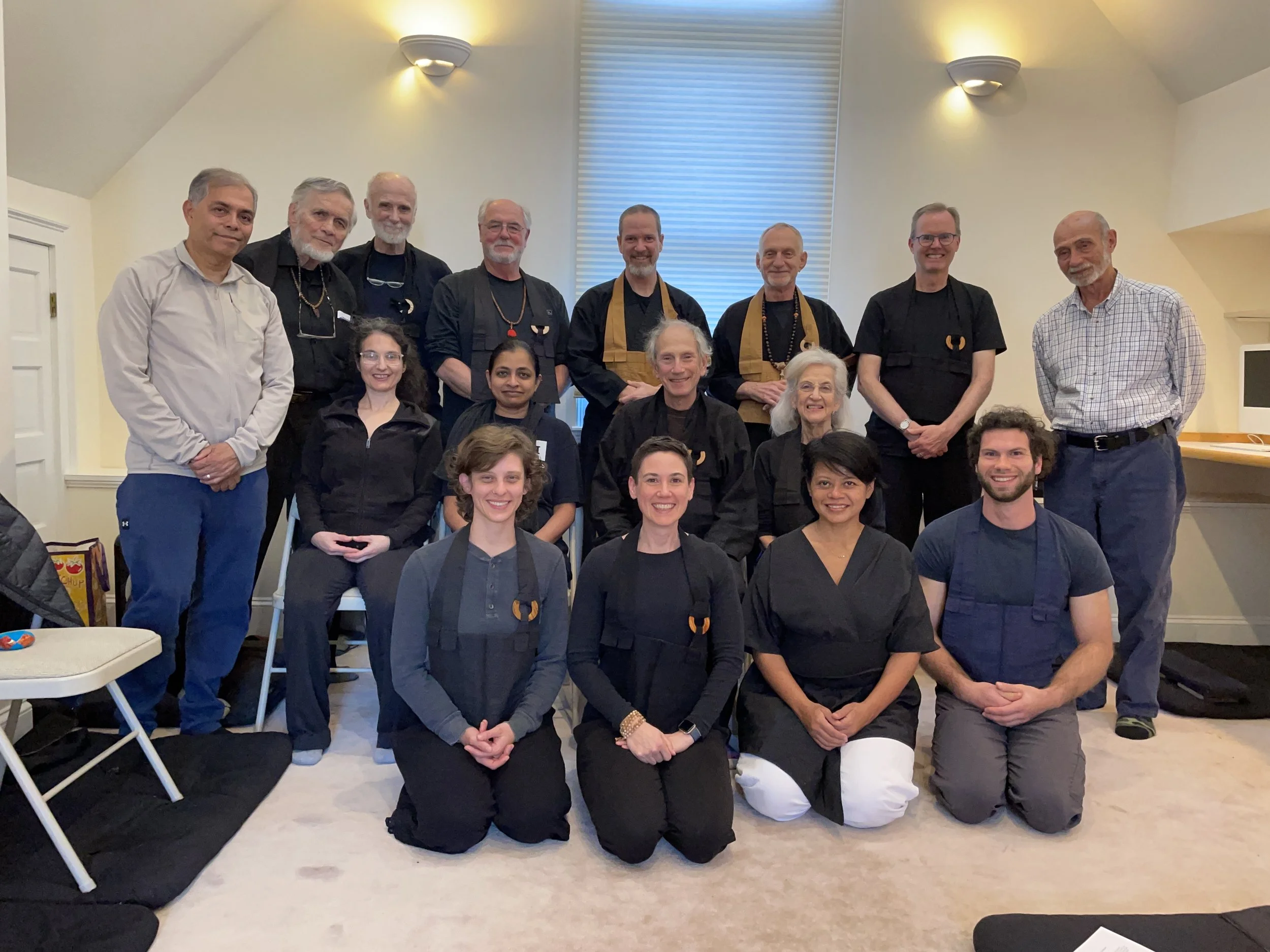
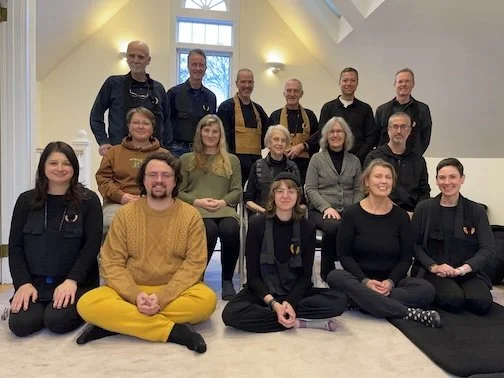
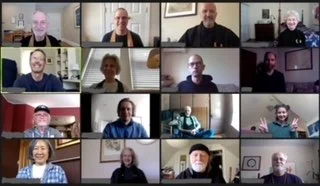
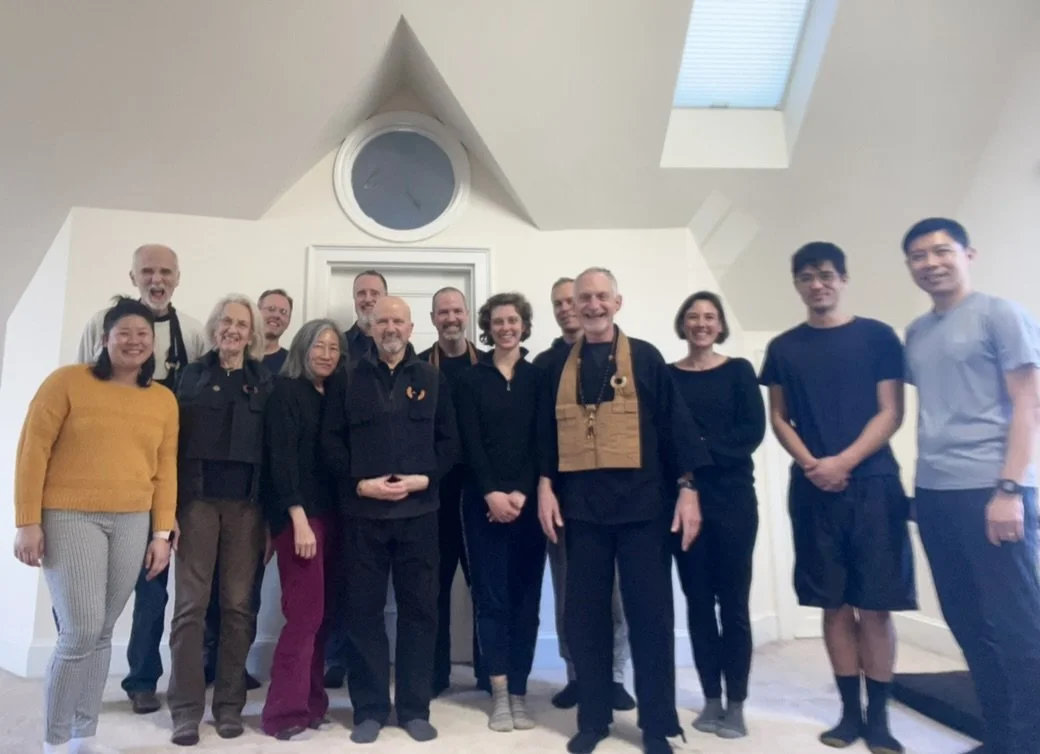
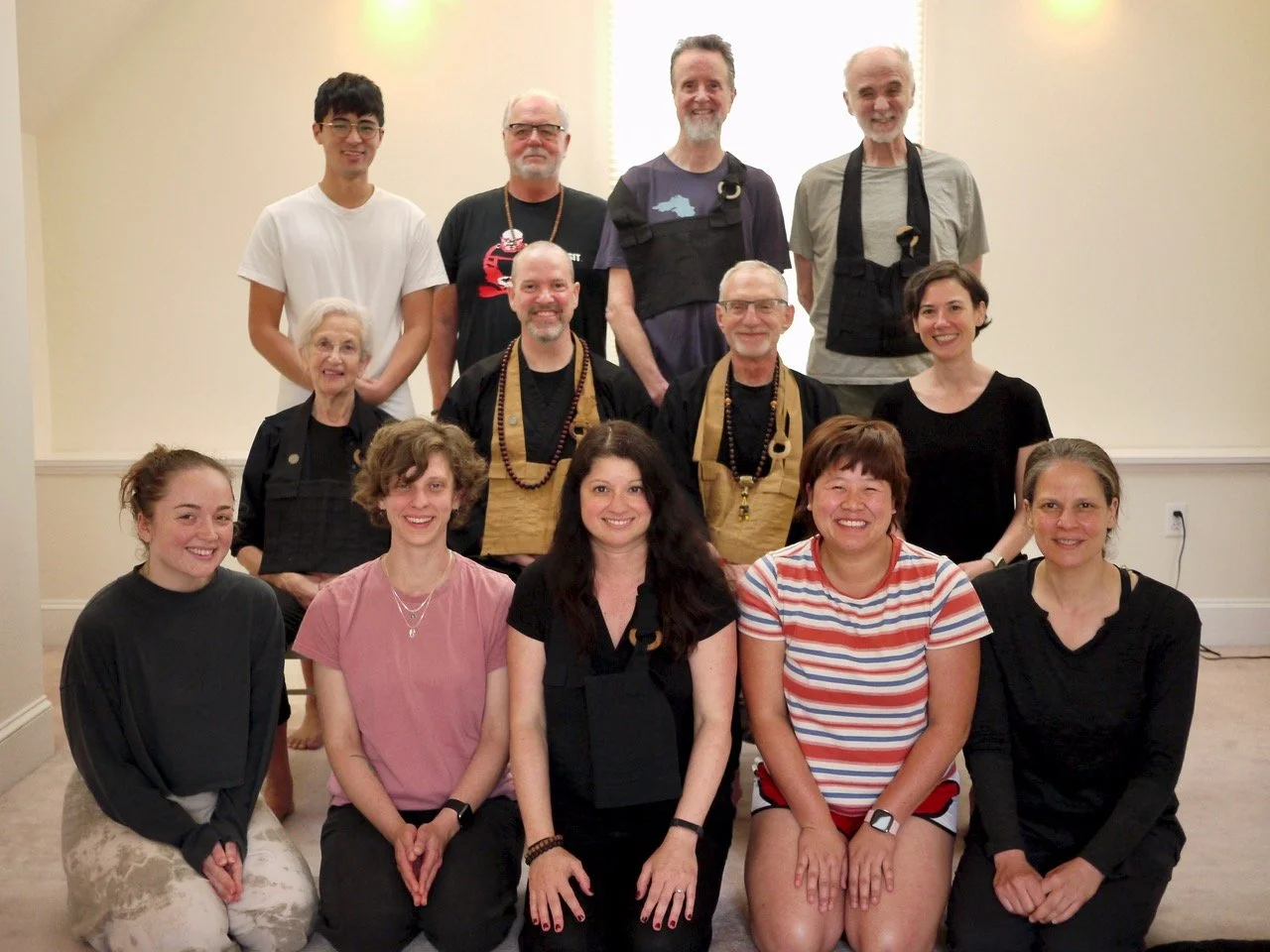
About Hank Sangha
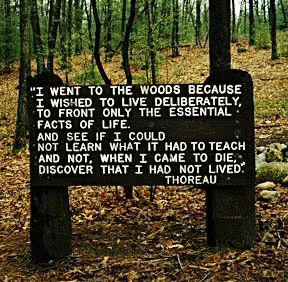
The Henry David Thoreau Zen Sangha is named for the great Unitarian Transcendentalist Henry David Thoreau, who in many ways anticipated Zen practice and thought.
Our Sangha seeks to honor both the eastern traditions of Zen practice and the western traditions of social concern and engagement. Often simply called "Hank," it is a Zen meditation group in the combined Harada/Yasutani and Soto Zen lineages.
Hank sangha was founded by James I. Ford, a Unitarian Minister and his wife Jan Seymour-Ford. James is the first Unitarian Universalist to be named a Zen master. Hank is a member group of the Living Vow Zen community of practitioners.
Ethics
As members of the Living Vow Zen community, we bind ourselves consciously to a code of conduct in order to nurture and protect our community and our continuing practice. To ensure that ethical concerns can be addressed confidentially and responsibly, we have published our ethics code of conduct and have established an EAR Committee (Ethics and Reconciliation Committee) to address any concerns that may arise.
Please email the EAR committee contact listed at the top of our ethics code if you have any concerns.
Please find the Living Vow Zen ethics code here.
If you have any questions you can reach us at: hanksanghainfo@gmail.com.
Living Vow Zen
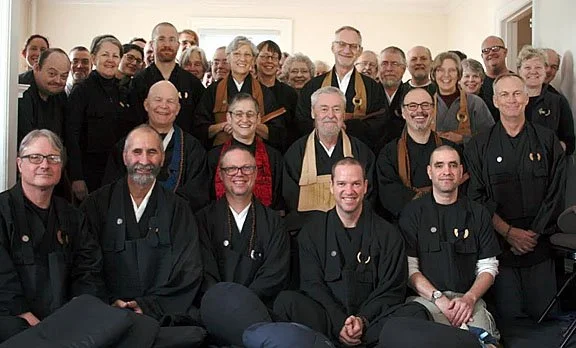
Living Vow Zen is comprised of two practice groups: Henry David Thoreau Sangha (or "Hank"), and Morning Star Zen Sangha.
Our practice groups have lineage roots in Japanese Soto, the Harada-Yasutani koan curriculum, and Korean Seon. Our teachers are Bob Waldinger and Mike Fieleke, dharma heirs of Melissa Blacker and David Rynick. Our root teacher is Shakyamuni Buddha.
Why "Living Vow Zen?" According to mythology, in a previous life, the one who would become Buddha reflected that, were he to practice diligently, he could free himself from Samsara in that very lifetime. But rather than practice for his liberation alone, he decided that it would be better to delay his liberation to train for many lifetimes so that he could guide others across the river of suffering to the farther shore.
In his final incarnation, Shakyamuni Buddha was born into nobility and great wealth, but he again renounced that place of comfort when he saw that others in the world were suffering. Once more he vowed to attain enlightenment so that he might conquer suffering not only for himself but for all beings.
Upon awakening, Buddha was true to his vow. He returned to his sangha that he might share with them his teachings. Because of his generosity, Buddha's awakening reverberates to this day, and it is in the spirit of his living vow that we practice not only for our own awakening but to alleviate suffering in the world.
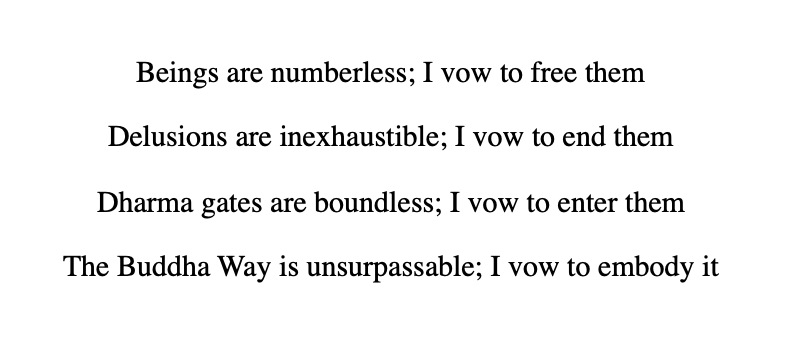
Those of us in Living Vow Zen aim to embody the Mahayana Way by cultivating compassion and wisdom and alleviating suffering in the world. The Four Bodhisattva Vows are a guiding light in our practice.
More about how LVZ is organized
Living Vow Zen's members help shape the organization in meaningful ways. In addition to participating in rich sangha offerings, members have the right to vote at annual meetings, become or choose officers on our Board of Trustees, help determine budget priorities, and contribute to visions for the organization.
Living Vow Zen's Board of Trustees is responsible for the administration of the organization's business, the donations we recieve, and the appointment of Guiding Teachers.
Living Vow Zen's Guiding Teachers are responsible for the activities and programming of Living Vow Zen, including all aspects of spiritual training, appointing and removing practice leaders, establishing forms of practice, providing pastoral services, facilitating engaged practice, and more.
Please feel free to email us with any programmatic questions.
Membership
All who come and practice even a few times with Living Vow Zen sanghas (Henry David Thoreau or Morning Star) may consider themselves part of a sangha, and their participation is valued and appreciated. You do not need to become a member to participate, but everyone is invited to join our inclusive Zen community by becoming a formal member.
You may wish to become a formal member of Living Vow Zen to support its central missions: nurturing the Dharma in our communities, providing practice and retreat (sesshin) opportunities for those who want to follow the Zen way, supporting engaged practices, and training future practice leaders, priests, and teachers.
With membership, comes the right to vote at annual meetings, to become officers, to choose officers and members of our Board of Trustees, to help determine budget priorities, and to participate in setting overall policies for the organization.
Anyone who practices with a Living Vow Zen sangha and has made a contribution in the past year may apply for membership. To become a member of Living Vow Zen, please complete and submit this short form.
The operations of Living Vow Zen practice groups -- rent, insurance, supplies for meetings, and related costs -- are funded by contributions from our formal members and others who participate in our programs and activities. Donations to Living Vow Zen can be made at any of our in-person sangha meetings or as described here.
Living Vow Zen Sanghas:
Henry David Thoreau Sangha, Newton, MA
Morning Star Zen Sangha, Newtonville, MA
Calendar:

Contact Us:
Please feel free to contact us with any questions you may have.
If you'd like to speak with someone at Hank, you are welcome to let us know what's on your mind and we're happy to talk with you.